UK Punters Push Back Hard Against Bank Statement Demands in Gambling Affordability Checks
UK Punters Push Back Hard Against Bank Statement Demands in Gambling Affordability Checks

The Spark Igniting the Backlash
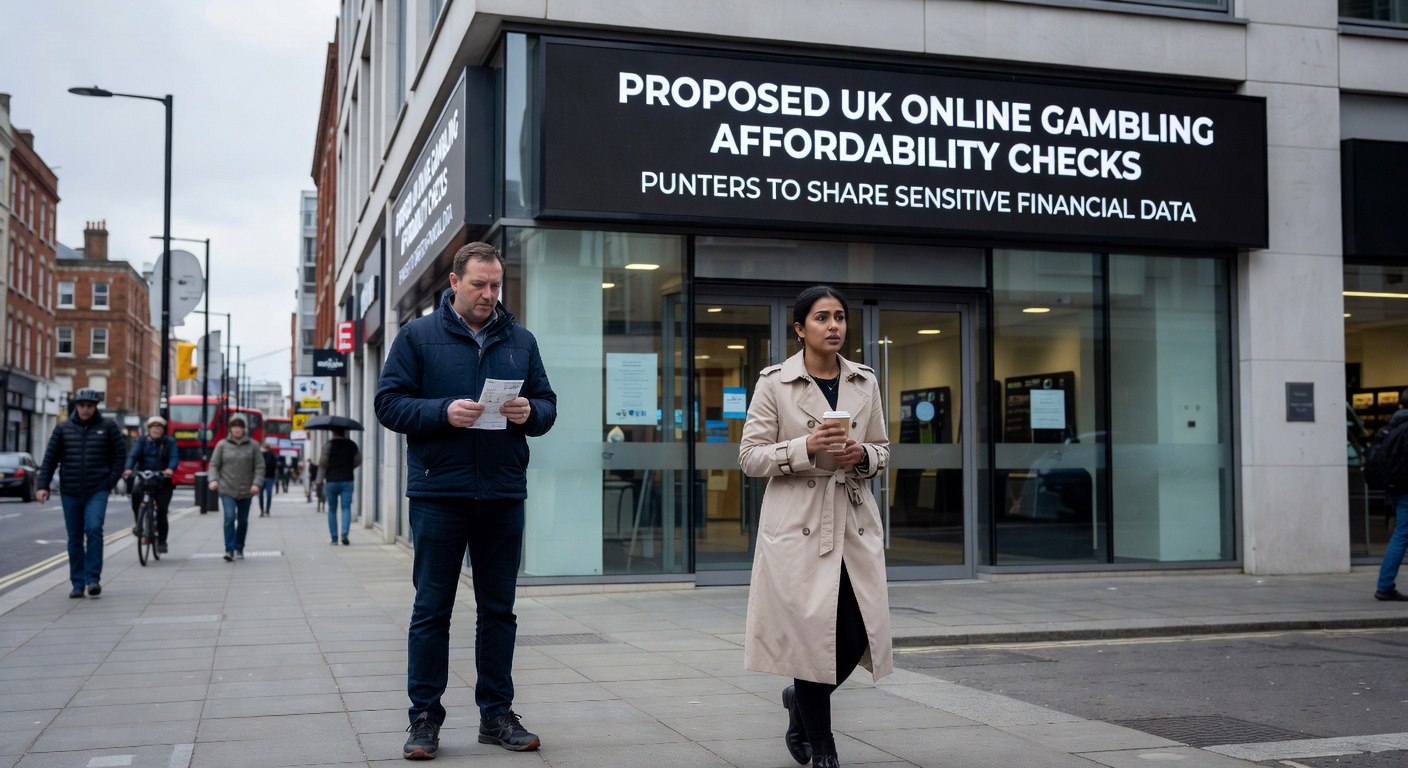
Proposed reforms in the UK gambling landscape have stirred up significant resistance, particularly around mandatory affordability checks that demand punters submit sensitive financial documents like bank statements and payslips before placing bets. These checks, often likened to mortgage applications, aim to assess whether gamblers can truly afford their wagers, but they've hit a nerve with the betting public and industry alike. Data from a survey of over 2,000 betting customers reveals that 65% would flat-out refuse to hand over such personal information, highlighting a deep reluctance to share private financial details just to keep betting online.
What's interesting here is how quickly this opposition has crystallized; as consultations drag into April 2026, voices from all corners of the sector are amplifying concerns that these measures could reshape—or even cripple—legal gambling activities. Industry bodies like the Betting and Gaming Council have stepped up, pointing out that two-thirds of punters polled expressed unwillingness to provide documents such as bank statements, underscoring a potential mass exodus from regulated platforms.
Deep Dive into the Surveys Fueling the Fire
Separate research conducted by the Gambling Commission on 12,000 frequent gamblers paints an even starker picture, with over 75% opposing these "mortgage-style" assessments that probe into personal finances. Respondents described the process as intrusive, arguing it invades privacy without guaranteeing better outcomes for problem gambling prevention. Take one group of regular bettors who participated; they noted that proving affordability through exhaustive paperwork feels like overkill, especially when self-exclusion tools and deposit limits already exist.
And yet, regulators push forward, citing the need to protect vulnerable players amid rising concerns over gambling harm; still, the numbers don't lie—opposition hovers well above majority levels across multiple polls. Observers who've tracked similar policies in other sectors, like lending, point out that heavy-handed verification often drives customers underground, a pattern now emerging in betting circles. Figures from the Betting and Gaming Council echo this sentiment, reinforcing that punters prize convenience and discretion in their betting habits.
But here's the thing: these surveys didn't just capture raw percentages; they delved into reasons behind the refusals, with privacy topping the list at consistent highs, followed closely by fears of data breaches and cumbersome processes that could take days to navigate. People who've tried analogous checks in banking often discover delays and frustrations, and bettors worry the same headaches will kill the spontaneity that draws them to online platforms in the first place.
Industry Leaders Sound the Alarm on Black Market Risks
Over 400 figures from the racing world have joined the fray, issuing stark warnings that these affordability checks could shove bettors toward illegal black market operators who skip all verification entirely. The sector, which pumps £4 billion into the UK economy through jobs, taxes, and events, stands at risk of erosion if punters bail on licensed sites; experts who've studied offshore gambling flows note how stringent rules in one market often boost unregulated alternatives promising anonymity. That's where the rubber meets the road for stakeholders—legal operators can't compete on lax standards, yet demanding bank statements levels the playing field in the wrong direction.
Leaders from horseracing, a cornerstone of UK betting culture, argue that the policy overlooks the recreational nature of most wagering; data indicates casual punters, who form the bulk of participants, bristle at financial interrogations for low-stakes flutters on matches or races. One case that researchers highlight involves early pilots of similar checks, where dropout rates spiked because users found the upload process too fiddly on mobile devices, the go-to for most bets these days.
So, as April 2026 unfolds with ongoing consultations, the chorus grows louder; industry coalitions predict job losses in the thousands if black market migration accelerates, since unregulated sites evade taxes and consumer protections while luring frustrated players with no-questions-asked access. It's noteworthy that even proponents of reform acknowledge implementation glitches, but the scale of backlash suggests tweaks like frictionless frictionless checks—perhaps using open banking APIs—might soften the blow, although skepticism remains high among those surveyed.
Broader Implications for Bettors and Operators
Those who've followed gambling regulation evolutions know that affordability checks aren't entirely new; trials in places like Great Britain have tested variations, but the push for universal bank statement submissions marks a escalation that's testing loyalties. Frequent gamblers in the Gambling Commission study expressed that while they support harm reduction, 75% draw the line at handing over full financial snapshots, preferring behavioral tools like session reminders or net deposit caps that don't require paperwork.
Turns out, the devil's in the details: proposals outline tiered thresholds where bets over certain amounts trigger deeper dives into income proofs, yet even moderate punters anticipate roadblocks; one study participant likened it to "applying for a loan to watch the footy," capturing the absurdity felt by many. Operators, caught in the middle, face compliance costs that could hike margins, potentially leading to tighter odds or fewer promotions—moves that further alienate customers already on edge.
And while regulators tout evidence from international models, UK-specific data flips the script; the 65% refusal rate from the 2,000-punter survey aligns with patterns where privacy trumps paternalism, especially post-data scandals that eroded trust in handling personal info. Racing figures amplify this by projecting that £4 billion economic hit includes ripple effects on tracks, breeders, and tourism, all intertwined with betting revenue streams that these checks threaten to choke.
Now, with backlash peaking in spring 2026, conversations shift toward compromises—maybe randomized light-touch checks or third-party verification services—but surveys show punters want opt-ins, not mandates, preserving the choice that keeps legal betting vibrant.
Conclusion
The revolt against UK online gambling affordability checks boils down to a clash between protection and privacy, with surveys stacking evidence that 65% to over 75% of bettors reject sharing bank statements, fearing intrusion and black market temptations. Industry warnings of a £4 billion economic peril underscore the stakes, as over 400 racing voices rally against policies that could fragment the market. As April 2026 brings fresh consultation rounds, data suggests regulators face an uphill battle to refine these measures without alienating the very punters they aim to safeguard; the path forward hinges on balancing safeguards with user trust, lest legal platforms lose ground to shadowy alternatives. Observers note that while harm prevention remains paramount, the writing's on the wall—punters won't submit quietly if it means surrendering financial secrets for a simple bet.