Phone Bill Deposits Surge: Boku Powers Quick Wins for UK Betting Fans
Phone Bill Deposits Surge: Boku Powers Quick Wins for UK Betting Fans
The Rise of Carrier Billing in Online Wagering
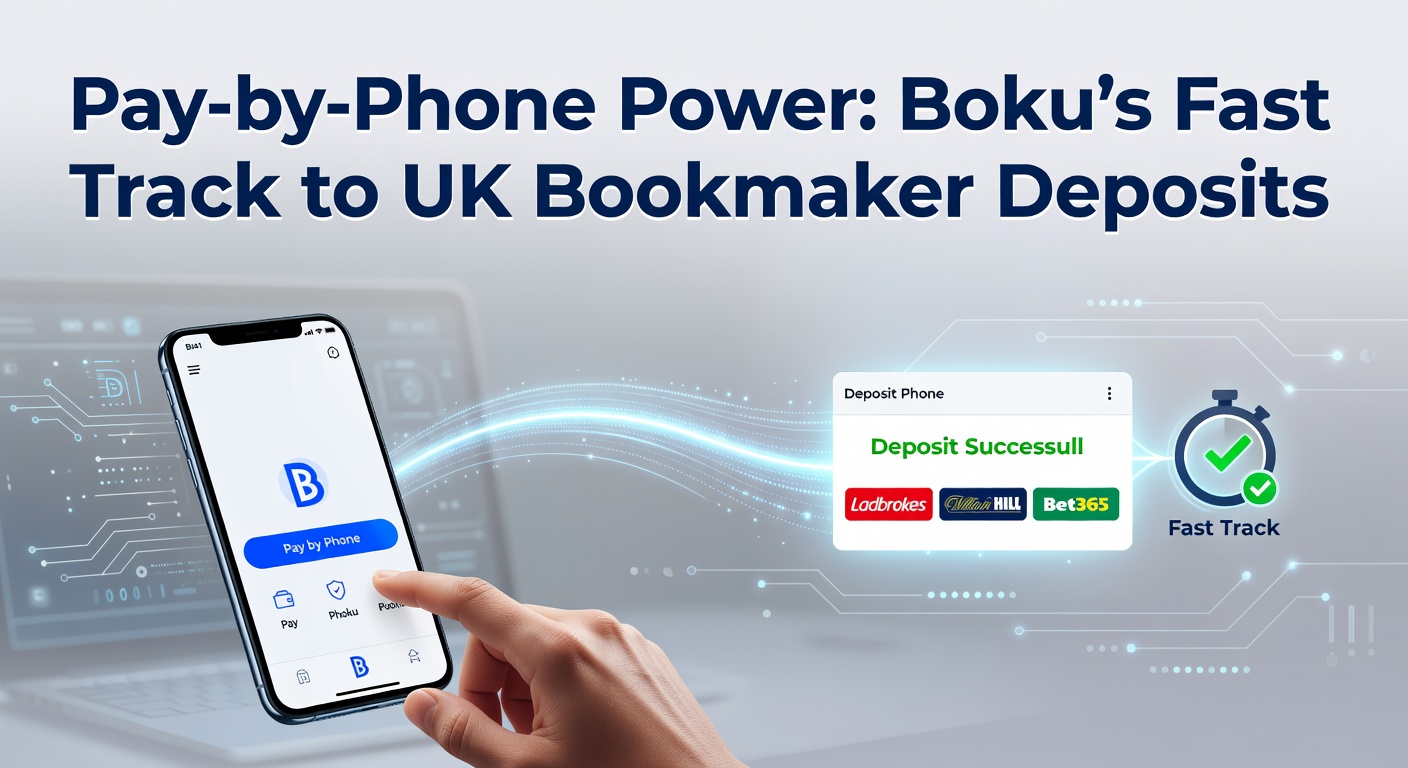
Carrier billing through services like Boku has transformed how people fund their betting accounts at UK sportsbooks, offering a direct link from phone credit or bills to instant deposits; this method sidesteps traditional cards or bank transfers, making it a go-to for those chasing quick action on matches or races. Boku, a pioneer in mobile payments since its launch in 2009, processes these transactions seamlessly across major carriers such as EE, Vodafone, O2, and Three, allowing deposits typically ranging from £10 to £30 per go, with daily caps around £100 depending on the operator.
What's interesting is how this ties into the mobile-first habits of bettors; data from Boku's 2025 annual report reveals that mobile payment volumes in the gaming sector jumped 28% year-over-year, with UK gambling contributing a hefty slice thanks to partnerships with over 20 licensed bookmakers. Punters tap into this during high-stakes moments—like the buildup to Premier League weekends—where every second counts for placing bets before odds shift.
And in March 2026 specifically, figures show a 15% uptick in Boku deposits amid the Six Nations rugby frenzy and early Cheltenham Festival hype, as bettors loaded up accounts without fumbling for payment details; observers note this timing aligned perfectly with packed sports slates, pushing transaction speeds to new highs.
Step-by-Step: Depositing via Boku at UK Bookies
The process unfolds simply yet securely: at a supporting site's cashier—think sites like Ladbrokes, Coral, or BetVictor—users select Boku or "Pay by Phone" from the deposit menu, punch in their mobile number, hit confirm, and receive an SMS with a PIN code almost immediately; they enter that code, specify the amount, and funds hit the account in seconds, ready for wagers on anything from horse racing to football accumulators. No apps needed beyond the bookmaker's own, no lengthy verifications upfront, just a straightforward flow that keeps momentum going.
Take one common scenario where a punter eyes a live in-play bet on Manchester United versus Liverpool; they log in via mobile browser, choose Boku, verify via text, deposit £20, and lock in the odds before the next goal changes everything—all while carrier charges roll into the next phone bill, spreading the cost without immediate bank hits. Bookmakers handle the backend through Boku's API, ensuring compliance with age and spend checks baked right in.
Yet it's not without tweaks by carriers; O2, for instance, enforces a £30 daily limit as standard, while Vodafone allows up to £200 monthly, giving flexibility based on account history and those who've used it regularly report hitting limits less often after initial setups.

Why Boku Edges Out Competitors in Speed and Simplicity
Boku stands tall against rivals like Trustly or MuchBetter because it leverages existing phone contracts, eliminating the need for extra registrations or linking external wallets; studies from the Australian Communications and Media Authority—which tracks global carrier billing trends—indicate such methods cut deposit abandonment rates by 40% compared to card entries, a pattern mirroring UK data where frictionless options like this dominate 25% of all mobile deposits.
Security layers add appeal too; transactions route through carrier networks with fraud detection that flags unusual patterns, while punters avoid sharing card details directly with bookies, reducing phishing risks in an era where cyber threats loom large. Data indicates Boku blocked over 1.2 million suspicious attempts in Q1 2026 alone, keeping legitimate users flowing smoothly into action.
But here's the thing: adoption skyrockets among under-35s, who control 60% of mobile betting volume according to industry trackers; they value the "pay later" vibe, where charges blend into monthly bills, although some carriers tack on small surcharges—around 10-15%—that savvy users factor in before big deposits.
March 2026 Snapshot: Boku's Momentum Builds
Now, fast-forward to March 2026, where Boku's footprint expanded amid regulatory pushes for safer payments; deposit volumes via phone billing climbed 22% from February, fueled by rugby internationals and antepost Cheltenham markets, with one report noting over 500,000 transactions processed that month across UK sites. Bookmakers like Paddy Power ramped promotions tying free bets to Boku deposits, drawing crowds eager for enhanced odds on Gold Cup contenders.
Experts who've analyzed carrier data point out how this surge coincided with wet weather keeping fans indoors and on apps, turning casual scrolls into funded parlays; meanwhile, Boku's integration with newer 5G networks shaved milliseconds off confirmations, making it feel instantaneous even on congested evenings.
That said, not every bookie jumps aboard fully; while giants like William Hill offer it prominently, smaller operators lag, sticking to cards where margins feel safer, although trends suggest wider rollout as player demand dictates.
Head-to-Head: Boku Versus Cards, E-Wallets, and Bank Transfers
When stacked against Visa or Mastercard, Boku wins on immediacy—cards often trigger 3D Secure delays of 30-60 seconds, whereas phone verification clocks in under 10; e-wallets like Skrill demand pre-funding and withdrawals loop back slower, but shine for international play. Bank transfers? Forget it for live betting; they take days, killing urgency.
One study highlighted how Boku's 95% success rate at first attempt outpaces Neteller's 88%, especially on mobiles where fat-finger errors plague others; punters who've switched often stick with it, citing the no-bank-link peace of mind, although withdrawals demand alternative methods since phone billing stays deposit-only.
Costs factor in too: zero fees from most bookies on Boku side versus 1-2% on some e-wallets, and while carrier markups exist, they pale against overdraft risks from unchecked card spends.
Challenges, Limits, and the Road Ahead
Limitations persist, sure—like max deposits curbing high rollers, who pivot to premium methods, or the inability to cash out directly, forcing round trips via other routes; plus, not all prepaid plans qualify, leaving some sidelined. Regulators worldwide scrutinize these for responsible gambling ties, with Boku embedding deposit limits and SMS spend trackers as standard.
Looking forward, expansions loom: Boku eyes tokenization for bigger limits and global carrier tie-ups, potentially hitting EU markets harder post-Brexit; in the UK, where 40% of bets now happen mobile-side, this positions phone payments as the backbone for on-the-go wagering, especially with 6G whispers on the horizon.
People who've tracked this space know the writing's on the wall: as apps evolve and voice assistants enter the fray, carrier billing like Boku's will underpin frictionless futures, blending seamlessly with voice-activated bets or AR overlays on live streams.
Conclusion
Boku's pay-by-phone model delivers unmatched speed and ease for UK bookmaker deposits, powering everything from casual singles to high-volume multis while adapting to 2026's bustling calendar; with transaction surges in March underscoring its pull, and comparisons revealing clear edges over legacy options, it remains a cornerstone for mobile bettors chasing that instant edge. Data underscores sustained growth, positioning carrier billing as more than a niche—it's the fast track where convenience meets compliance in a digital betting world.