Illegal Betting Sites Gear Up for £1 Billion UK Ad Blitz by 2028 as Black Market Explodes
Illegal Betting Sites Gear Up for £1 Billion UK Ad Blitz by 2028 as Black Market Explodes

Forecasted Boom in Underground Ad Dollars
Figures from The Lines report reveal that illegal betting sites operating in the UK plan to pump a combined £1 billion annually into advertising by 2028, easily outpacing the budgets of their regulated counterparts; this surge comes as the black market swells, fueled by recent policy shifts that nudge players toward unregulated options.
Observers note how the unregulated sector's ad spend projection marks a stark shift, especially since legal operators face mounting pressures that crimp their marketing muscle, while underground players dodge those constraints entirely.
What's interesting is the pace: data indicates the illegal market will balloon to £845 million in size by October 2026, boasting a robust 32% year-on-year growth rate that underscores the momentum building right now, even as April 2026 brings fresh scrutiny to gambling trends across the landscape.
Tax Hikes and Risk Checks Fuel the Flight to Shadows
Recent tax increases on legal betting firms hit hard, squeezing margins and prompting operators to tighten their belts, but here's the thing — those same hikes inadvertently supercharge the appeal of illegal sites that sidestep such costs altogether, drawing in punters frustrated by higher odds or restricted access.
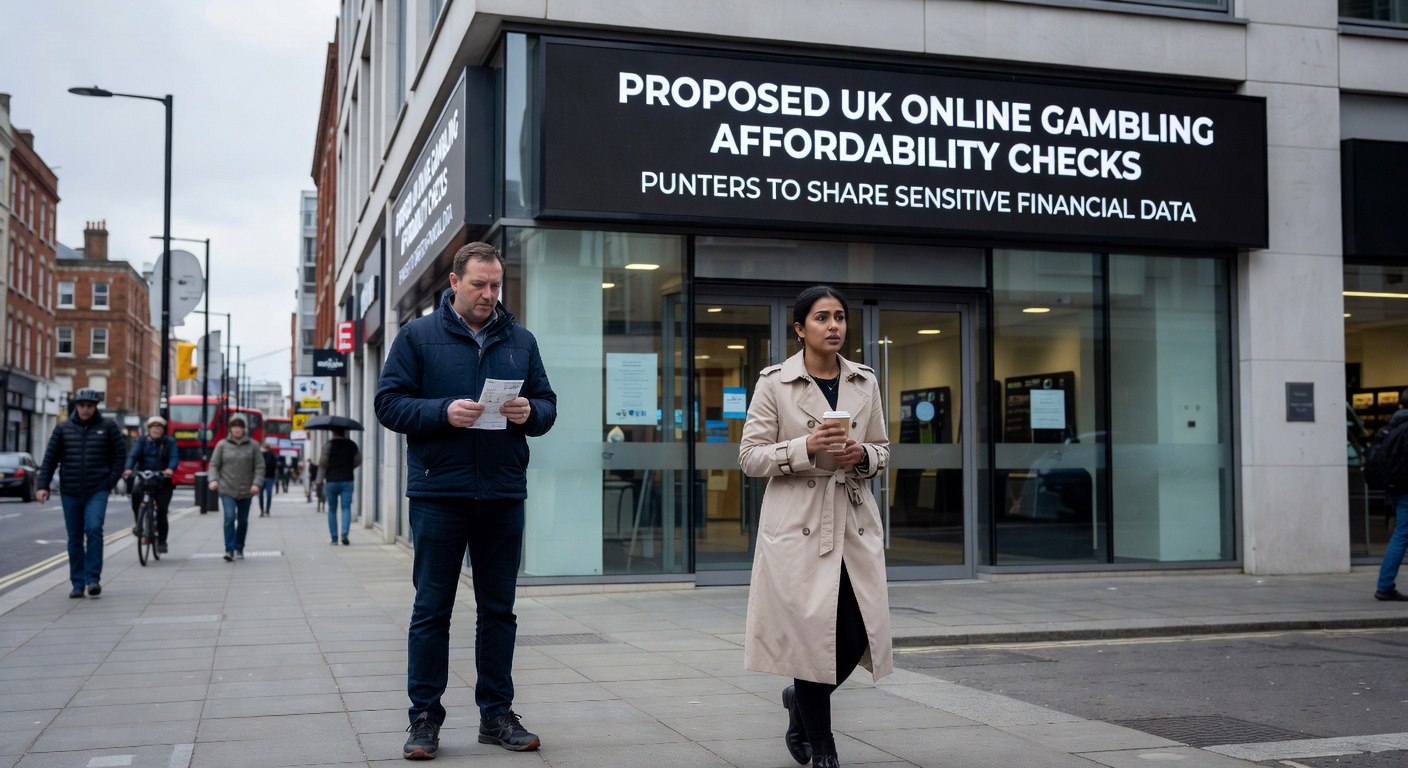
And then there are the new financial risk assessments, rolled out to safeguard players yet driving some straight into the unregulated arms; experts have observed how these checks, meant to flag affordability issues, instead push risk-tolerant bettors toward platforms offering unrestricted action, no questions asked.
Take one scenario researchers highlight: a punter cleared for small stakes on legal sites finds bigger bets easier on offshore operators, where verification hurdles vanish; this pattern repeats across football matches, horse races, and beyond, accelerating the black market's 32% growth trajectory toward that £845 million milestone by late 2026.
Regulated firms, meanwhile, grapple with compliance burdens that illegal rivals ignore, creating an uneven playing field where the writing's on the wall for market share erosion if trends hold.
Consumer Perils in the Unprotected Zone
Risks loom large for consumers dipping into illegal betting waters, lacking the safeguards baked into licensed operations like dispute resolution, fair odds verification, and fund protection; data shows these sites often manipulate outcomes, withhold winnings, or vanish overnight, leaving players high and dry.
Those who've studied this know the stats paint a grim picture: without oversight, problem gambling spirals unchecked since illegal operators skip responsible gaming tools, age verification, and self-exclusion links that legal sites must enforce rigorously.
But it's not just individual losses; the broader ecosystem suffers as tax revenue from regulated bets dwindles, starving public funds that support addiction services and sports integrity programs funded by legitimate levies.
Threats to the Regulated Realm's Survival
The regulated sector's viability hangs in the balance as illegal ad floods — projected at £1 billion by 2028 — drown out legitimate messaging, luring new users with flashy promotions unburdened by advertising codes or spend caps; this onslaught threatens jobs, innovation, and the very infrastructure supporting UK sports from grassroots football to Grand National chases.
Turns out, the 32% growth rate isn't hype; it's backed by market modeling that factors in player migration patterns observed since tax reforms kicked in, with April 2026 data already hinting at accelerated shifts amid ongoing affordability pilots.
One case experts point to involves a cluster of unregulated sites mimicking trusted brands, siphoning traffic through SEO tricks and social media blitzes that legal operators can't match under strict promo rules; the result? A vicious cycle where lost revenue hampers legal firms' ability to compete, further tilting the scales.
Regulatory Pushback and Disruption Efforts
Yet regulators fight back, with the Gambling Commission detailing ongoing disruption activities targeting illegal online gambling, from site blocks to payment freezes that have shuttered hundreds of rogue operations in recent years.
These measures, while impactful, chase a moving target; illegal sites pivot quickly to new domains or mirror platforms, sustaining their ad momentum and growth path toward those eye-watering forecasts.
People in the industry often discover that collaboration with payment providers and ISPs forms the frontline defense, yet the scale of projected £1 billion spends suggests enforcement must scale up dramatically to stem the tide before 2028 arrives.
So as April 2026 unfolds, stakeholders watch closely, knowing the ball's in the regulators' court to balance consumer protection with market health amid this black market surge.
Projections Breakdown: Numbers That Demand Attention
Delving deeper into the figures, The Lines report breaks it down: illegal ad budgets climb steadily from current levels, hitting £1 billion by 2028 through channels like social media, influencers, and affiliate networks that evade traditional oversight; meanwhile, the market size hits £845 million by October 2026, a figure derived from extrapolated user data and revenue streams unchecked by HMRC.
That's where the rubber meets the road — regulated operators' ad spends, capped and scrutinized, simply can't keep pace, especially post-tax hikes that force reallocations toward core survival rather than growth hacking.
One study mirrored in these projections notes how similar black markets in other regions outgrew legals by 40% within three years under comparable pressures; UK trends align closely, signaling potential for even steeper climbs if affordability checks expand without tweaks.
Conclusion: A Tipping Point Looms
As illegal betting sites eye that £1 billion ad windfall by 2028, the UK's gambling landscape faces a pivotal moment, with the black market's £845 million projection by 2026 underscoring urgent risks to consumers minus protections and to regulated firms fighting for relevance; data from The Lines paints a clear trajectory driven by taxes and checks, yet ongoing disruptions offer hope if scaled effectively.
Experts emphasize that while growth at 32% year-on-year grabs headlines, the real story lies in collaborative fixes that restore balance, ensuring punters stick to safe harbors amid April 2026's evolving regs; the path forward demands vigilance, as unchecked expansion could redefine the industry for years ahead.