Gambling Commission Licence Fees on Track for 30% Surge: UK's Latest Consultation Hits Operators Hard
Gambling Commission Licence Fees on Track for 30% Surge: UK's Latest Consultation Hits Operators Hard

The Consultation Launch and Its Core Proposal
The UK government, acting through the Department for Culture, Media and Sport, has kicked off a public consultation that proposes sharp increases to Gambling Commission operating licence fees for gambling operators, including remote betting firms; this move seeks to better align cost recovery with the regulatory effort required, operators' market share, and the risks they pose, while the preferred Option 3 outlines a 30% overall rise—split as 20% general increase plus 10% ringfenced specifically for tackling illegal market disruption—set to take effect from 1 October 2026.
Operators now face fees that could climb to 0.28% of Gross Gambling Yield (GGY) from teh current 0.21%, a shift that reflects the growing demands on the regulator amid booming industry revenues and fresh pressures like the upcoming 40% Remote Gaming Duty starting April 2026; consultation documents lay out how this structure ties fees more closely to actual oversight costs, ensuring licensed businesses shoulder the load without overburdening smaller players.
What's interesting here is the timing—launched as the sector digests post-White Paper reforms—since these changes aim to bolster enforcement activities that protect legitimate operators from black market rivals siphoning off revenue, and observers note that without such hikes, the Commission's ability to police the industry could falter just as growth accelerates.
Breaking Down the Fee Structure Changes
Under the proposed model, fees would adjust based on a blend of factors like GGY thresholds, operator type, and compliance history, so remote operators—those handling online betting—stand to see the most noticeable jumps because their digital scale demands heavier regulatory scrutiny; for instance, Category 1 remote operators might encounter a base fee rise alongside percentages pegged to their earnings, turning a straightforward levy into a more nuanced tool that scales with business size and risk profile.
But here's the thing: the 10% ringfenced portion zeroes in on disrupting illegal operators, funding intelligence gathering and enforcement ops that hit unlicensed sites where it hurts, and data from recent years shows black market activity nibbling at licensed GGY, making this carve-out a direct counterpunch.
Take one breakdown from the consultation: general licence fees could swell by 20% across the board, while application and annual fees for bingo halls, casinos, and betting shops follow suit, although non-remote venues escape some of the steeper remote hikes; this tiered approach means a small arcade operator pays less proportionally than a high-volume online bookmaker, keeping the burden equitable as the market evolves.
Industry Context Fuels the Push for Higher Fees
The gambling sector's expansion plays right into this, with industry statistics revealing remote GGY climbing steadily—hitting £2 billion in recent quarterly figures—while betting shops hold steady at around 5,782 locations, so regulators argue that as revenues balloon, so too must contributions to the oversight that keeps everything above board.
And with the Remote Gaming Duty jumping to 40% from April 2026, operators grapple with dual squeezes on margins, yet the fee hikes promise to sustain the Commission's post-White Paper initiatives like enhanced consumer protections and affordability checks; experts who've tracked these trends point out that March 2026 data already hints at spending upticks ahead of a packed sports calendar, underscoring why funding enforcement now matters more than ever.
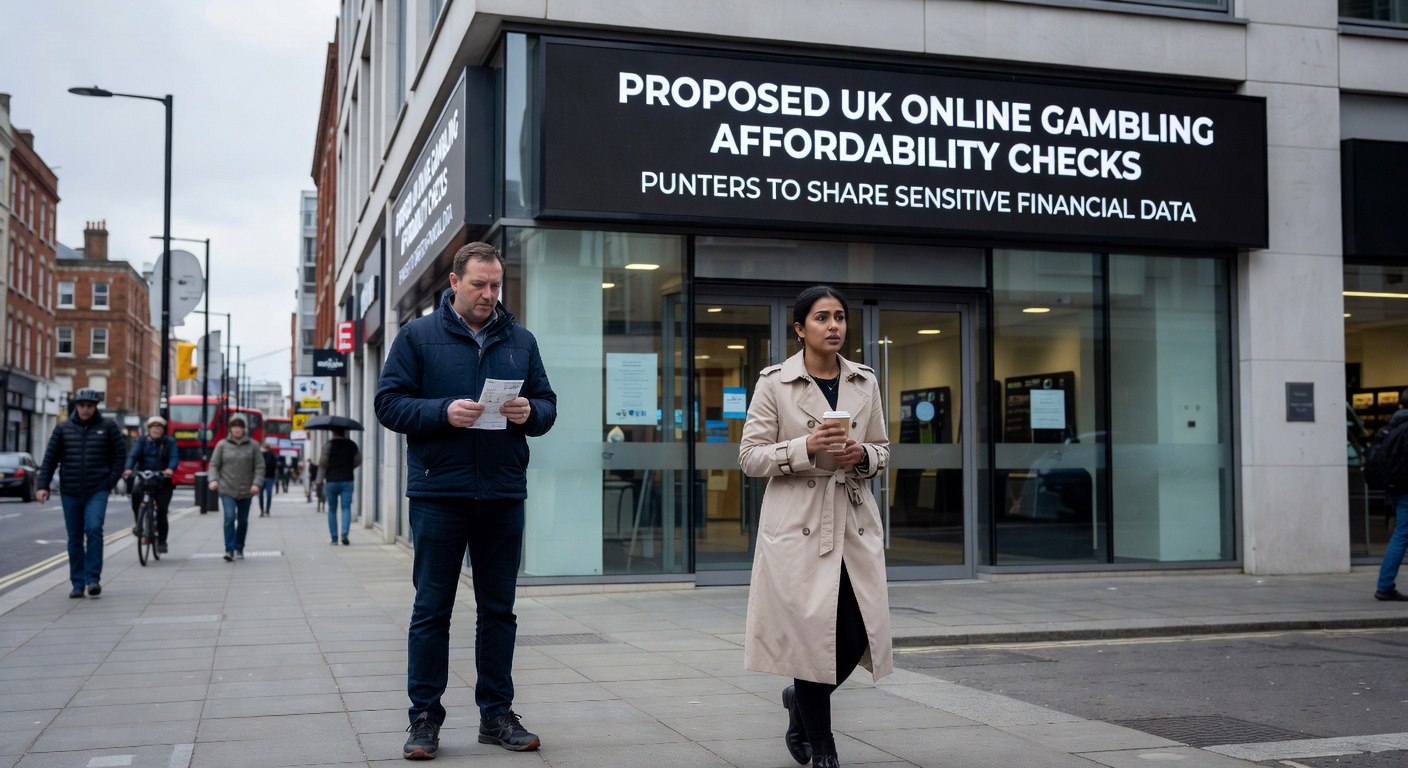
Figures reveal the Commission's current funding gap—recovering just 85% of costs last year—despite a levy system in place since 2009, which is why this consultation floats options from modest tweaks to the full 30% package; Option 3 emerges as the frontrunner because it balances recovery with targeted disruption funding, although stakeholders can weigh in until the deadline, shaping the final blueprint.
How Fees Are Calculated: A Closer Look at the Mechanics
Remote gambling operators, for example, pay based on rolling 12-month GGY bands starting at £550,000, where fees escalate nonlinearly to reflect higher-risk, higher-revenue tiers; a firm hitting £100 million GGY might see its annual tab rise by thousands under the new rates, while the ringfenced element adds a flat percentage boost dedicated to anti-black market efforts, like partnering with payment providers to block illicit flows.
Non-remote fees, meanwhile, hinge on premises numbers and machine counts, so a betting shop chain with 50 locations braces for proportional uplifts, although the consultation caps some increases to shield independents; this granularity ensures big players—those dominating Premier League betting or casino apps—foot more of the bill, aligning with the principle that greater market share equals greater responsibility.
There's this case where recent enforcement nabbed major illegal operators, recovering millions for the Treasury, yet without beefed-up fees, such wins become harder to replicate, and those who've studied Commission reports know the black market's share hovers around 5-10% in remote segments, a chunk that licensed firms lose daily.
Stakeholder Reactions and Consultation Nuts and Bolts
Industry bodies like the Betting and Gaming Council have flagged concerns over cumulative costs—fees plus taxes—potentially stifling innovation, but regulators counter that sustainable funding fortifies the whole ecosystem against unregulated threats; the consultation runs for 10 weeks, inviting responses from operators, trade groups, and punters alike, with analysis feeding into decisions by mid-2026.
So far, early feedback highlights the need for transparency in how ringfenced funds deploy—think more site blocks, international takedowns—and data backs the urgency, showing illegal operators mimicking licensed ones to lure UK players; it's not rocket science: stronger fees mean stronger shields, keeping the £15 billion-plus sector legit.
Yet smaller operators worry about pass-through effects on odds or promos, although the phased rollout from October 2026 gives breathing room to adapt, and observers note similar past hikes—like the 2019 adjustments—settled without market chaos.
Broader Implications for Operators and Players
For remote betting firms powering football accumulators or horse racing each-ways, the hike compounds tax woes, but it also levels the field by starving black market rivals of easy pickings; take high-street bookies, they're somewhat insulated yet still face shop fees up 20%, prompting reviews of store networks amid steady 5,782 outlets.
Players might not feel direct hits—fees don't touch odds—but indirect ripples could emerge if operators trim margins, although enforcement gains promise safer environments with fewer rogue sites peddling unfair games; and as March 2026 stats show spending surges tied to sports buzz, the Commission's role in spotting problem play grows pivotal, funded precisely by these proposals.
One study from regulators underscores how fee-backed probes dismantled networks mimicking bet builders or no-sweat bets, protecting user funds and data in the process.
Conclusion: Eyes on October 2026 and Beyond
The consultation wraps a pivotal chapter in UK gambling regulation, positioning Option 3's 30% fee rise as the path to resilient oversight amid growth, taxes, and illicit threats; operators now pore over details, submitting views that could tweak the final shape, while the sector watches how this sustains White Paper promises without derailing momentum.
Turns out, in a market where remote GGY soars and black markets lurk, these hikes—effective 1 October 2026—aren't just numbers on a page, but the fuel keeping licensed operations ahead, with consultation outcomes set to ripple through boardrooms and betting slips alike for years to come.