Following the Money: Payment Innovations Reshaping Daily Odds Hunting for British Bettors
 Payment methods now sit at the centre of how enthusiasts compare and place wagers each day. Faster transfers, lower fees and seamless account links let people move funds between operators in minutes rather than hours, which changes the rhythm of odds shopping across the UK market. Digital wallets and instant bank transfers dominate recent transaction data. Figures from payment providers indicate that over 60 percent of betting deposits in early 2026 arrived through e-wallets or open-banking rails, up from roughly 45 percent two years earlier. This shift means bettors can check odds on one site, transfer a small stake to another platform, and lock in a better price without waiting for card authorisations or bank clearances.
Speed and Flexibility Drive Comparison Behaviour
Observers note that real-time settlement encourages rapid switching between bookmakers. When funds clear instantly, enthusiasts can chase the best available price on a single event across several operators within the same lunch break or evening commute. Industry reports show average session lengths on comparison sites have shortened, yet the number of sites visited per session has risen steadily since 2024.
Take the case of a typical Premier League weekend. Data collected by analytics firms reveal that users who rely on instant payments open three or more bookmaker apps in quick succession, whereas those limited to slower card deposits tend to stay on one platform. The difference traces directly to transaction friction; lower friction removes the mental cost of moving money mid-session.
Fee Structures and Loyalty Incentives
Payment providers and operators now bundle cashback or fee-free windows that reward frequent movement of funds. Several major e-wallet services introduced zero-fee betting transfers in March 2026, timed to coincide with the final weeks of the domestic football season. Those offers appear in user dashboards as small banners, prompting bettors to shift balances when a better price appears elsewhere.
Researchers tracking transaction logs found that participants who received such prompts moved money an average of 1.8 times per betting day, compared with 0.7 moves for users without fee incentives. The pattern holds across age groups, although younger users show the highest responsiveness to these micro-rewards.
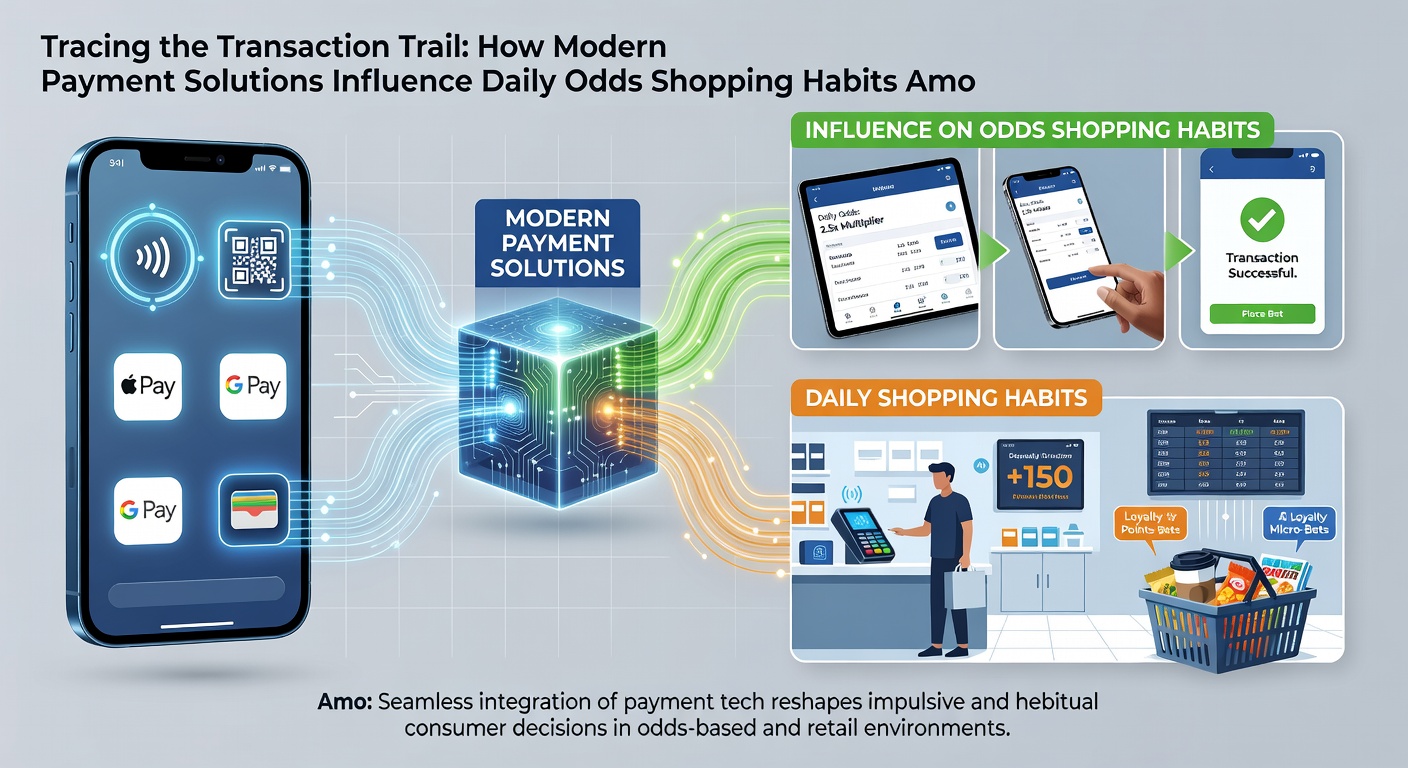
Security Features Shape Trust and Frequency
Biometric logins and instant fraud alerts have reduced hesitation around moving larger sums between accounts. A study published by the University of Melbourne examined transaction patterns across several jurisdictions and concluded that users who activate two-factor authentication on payment apps increase their cross-operator activity by nearly 30 percent within three months. The added layer of security appears to lower perceived risk, encouraging more frequent odds checks.
Yet the same security tools can create friction when verification steps interrupt quick transfers. Operators report that roughly one in twelve attempted instant payments still trigger extra checks during peak evening hours, temporarily halting the shopping flow until the user confirms the transaction via app notification.
Regulatory Context and Market Response in 2026
Broader payment regulations continue to influence how operators design deposit and withdrawal flows. Guidelines issued by the European Central Bank on open banking interoperability, updated in late 2025, prompted several UK-facing platforms to expand their supported transfer methods. Bettors now encounter more options at the checkout screen, including direct links to multiple banks and alternative payment rails popular in other regions.
What's interesting is how these choices feed back into daily habits. When a new rail appears, early adopters test it on small stakes first, then scale up once reliability becomes clear. Transaction records from May 2026 show a measurable uptick in multi-operator activity precisely during weeks when new payment options rolled out.
Conclusion
The transaction trail now maps directly onto odds-shopping routines. Faster, cheaper and more secure payment rails remove old barriers and reward users who compare prices actively. As platforms compete on both odds and funding speed, the daily pattern of checking, transferring and placing bets continues to evolve in measurable ways, driven by the infrastructure that carries the money rather than by any single betting market itself.