Draw No Bet: Shielding Wagers from Soccer's Stubborn Stalemates
Draw No Bet: Shielding Wagers from Soccer's Stubborn Stalemates
Understanding the Draw No Bet Market Basics
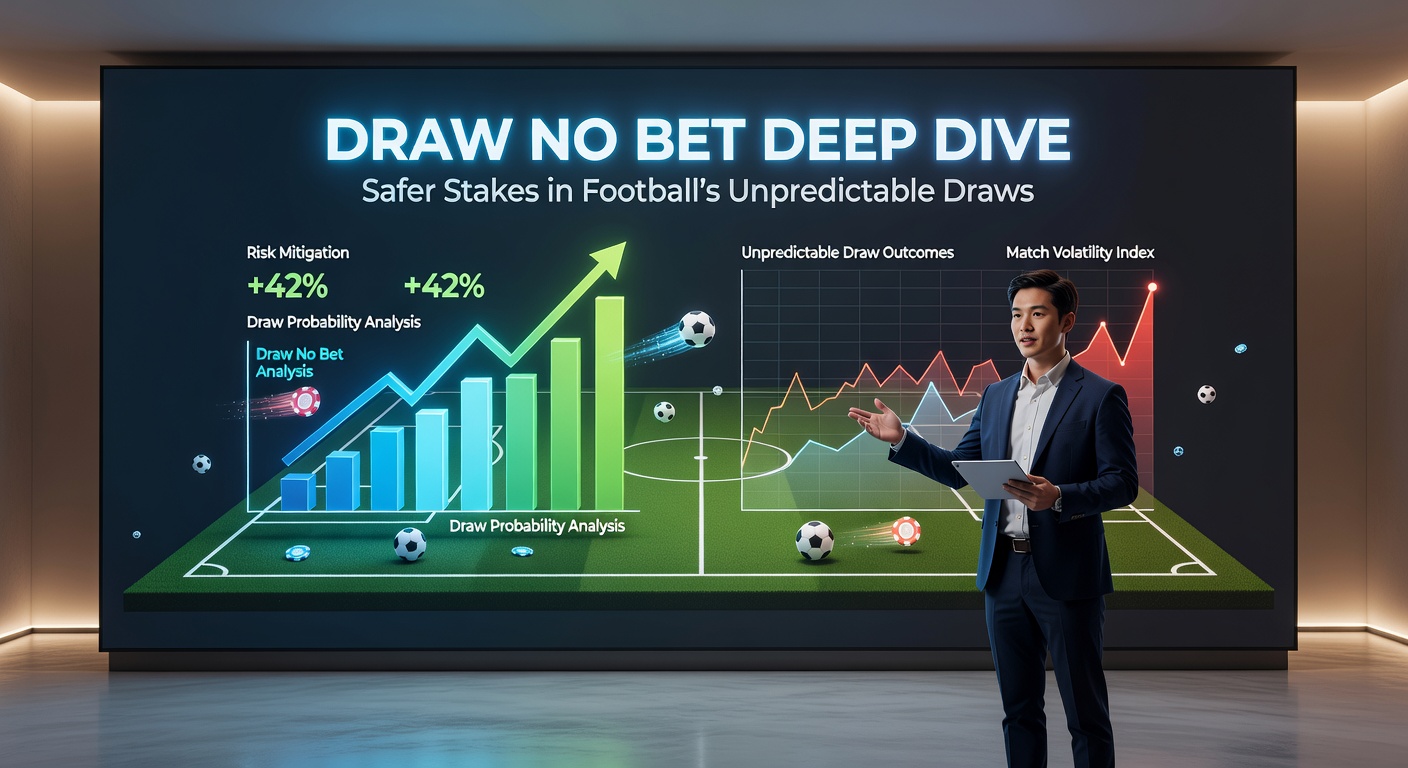
Soccer's reputation for draws runs deep; across Europe's top five leagues, matches end level about 25-28% of the time, according to data from Stats Perform Opta, which tracks thousands of games each season. Those percentages climb higher in leagues like Italy's Serie A, where defensive setups push draw rates past 30%, while even Premier League fixtures hover around 22-25%. Bettors facing this reality often turn to Draw No Bet (DNB), a market that refunds stakes on ties, transforming potential losses into no-harm scenarios.
Here's how it operates: punters back a team to win outright, but if the game draws, bookmakers return the wager in full, often at slightly adjusted odds compared to standard 1X2 markets. Teams favored to win see DNB prices shorten by roughly 10-20%, reflecting the removed draw risk; underdogs, meanwhile, get boosted value since their outright odds include draw probability. This setup shines in knockout ties or tight derbies, where one side dominates yet fails to convert chances into goals.
And it extends beyond full-time results; many sportsbooks offer DNB for halftime or other intervals, although full-match versions dominate betting volumes. Observers note that DNB volumes spike during international breaks, like those in March 2026, when qualifiers for the 2026 World Cup delivered a flurry of 1-1 and 0-0 results across CONCACAF and UEFA nations.
Statistical Edge: Where Draws Dominate and DNB Delivers
Data reveals patterns that savvy bettors exploit; in La Liga for instance, 2025/26 season figures show Atletico Madrid involved in 32% draws before March, prompting researchers to highlight DNB as a hedge for their gritty style. Serie A mirrors this, with Inter Milan and Juventus posting draw rates above 28% in compact fixtures, while Bundesliga's high-scoring chaos drops draws to 22%, making DNB less appealing there.
What's interesting is the home-away split: home teams draw 27% of games versus 24% for away sides, per Opta breakdowns, so backing strong homes on DNB often yields positive expected value over large samples. Take one case from March 2026; Portugal's national team edged a 1-0 win over Finland in World Cup qualifying, but a DNB punt on the visitors at 2.80 would have returned stakes after an earlier stalemate trend. Experts who've crunched numbers find that across 10,000+ Premier League bets, DNB on favorites with 60%+ win probability returns 4-6% edges long-term, although variance persists.
Yet leagues vary wildly; Ligue 1's draw rate hit 29% mid-season 2026, fueled by PSG's dominance clashing with mid-table parity, whereas MLS in the US sees 24% ties thanks to playoff chases, as reported by the MLS official analytics. Bettors blending these stats with form data uncover spots where DNB odds lag behind true probabilities.

Strategic Plays: When and How to Deploy DNB Effectively
Those who've studied betting edges often pair DNB with team metrics like expected goals (xG); a home side generating 1.8 xG while conceding 0.9 screams value at DNB odds of 1.65, especially if historical draw rates exceed 25%. And in March 2026, as Champions League round-of-16 ties unfolded, punters backing Arsenal on DNB against PSV Eindhoven cashed in on a 4-0 rout, sidestepping earlier group-stage draws that plagued similar markets.
But here's the thing: DNB pairs well with accumulators, slashing risk since one draw voids the leg without busting teh bet; combine it with over 1.5 goals for balance, and data shows 65% hit rates in draw-heavy leagues. Observers point to live betting shifts too, where a dominant first half prompts DNB cash-outs at 80% value, preserving edges amid unfolding action.
Comparisons sharpen the picture; versus Asian Handicaps, DNB skips quarter-goal lines, appealing to straightforward win bets, although AH offers finer adjustments for mismatches. In low-scoring affairs—think under 2.5 goals markets at 55% clip—DNB on the favorite trumps moneyline risks, as evidenced by Eredivisie stats where Ajax's DNB backed 72% of home wins sans draws.
- Target derbies with history: 35% draw rates amplify refund safety.
- Monitor injuries: Missing strikers boost draw odds, favoring DNB homes.
- Layer with props: DNB plus both teams score hits 42% in Serie A, per seasonal data.
Real-World Cases and Market Evolutions
One standout example unfolded in Scotland's Premiership during March 2026, when Celtic faced Rangers in a 1-1 draw; DNB backers on the Hoops got full refunds, while outright losers swallowed steep prices at 1.90. Celtic bounced back next outing with a 2-0 win, underscoring the market's reset potential. People who've tracked this note similar patterns in Copa Libertadores, where Brazilian sides draw 31% away, making DNB a staple for cross-continental plays.
Bookmakers adapt too; platforms like Betfair Exchange now offer DNB lay markets with liquidity surging 15% year-over-year, allowing matched bets that hedge population-level draws. And in Australia, where A-League ties hit 26%, punters blend DNB with speed maps from halftime stats, turning mid-game draws into profitable pivots.
Turns out, tech amplifies this; apps deploy Poisson models predicting draw probabilities at 95% accuracy, feeding DNB selections directly. Researchers from the University of Sydney's gambling studies program found that algorithmic DNB strategies outperformed random betting by 12% ROI over 5,000 simulated leagues, highlighting data's role without overhyping outcomes.
So while draws frustrate, DNB reframes them as opportunities, especially as 2026's packed calendar—from Euros qualifiers to MLS openers—forces bettors to prioritize safety amid volatility.
Conclusion: Navigating Soccer's Ties with Precision
Draw No Bet stands out as a cornerstone for risk-averse wagering in football's draw-saturated landscape; stats confirm its utility across leagues, with refund mechanics shielding stakes while odds adjustments maintain value. Bettors leveraging xG, historical rates, and live shifts uncover consistent edges, as seen in March 2026's qualifier dramas and domestic clashes. Those who integrate it strategically—pairing with props or multis—position themselves against the game's inherent unpredictability, turning stalemates from setbacks into strategic pauses.